For editing students, an external SSD can make the difference between waiting on transfers and actually getting work done. The right drive keeps footage moving fast and helps protect projects between class, home, and set.
Below, we focus on portable drives that balance speed, capacity, durability, and value for real-world video workflows.
Best 10 External Ssds for Video Editing Students Picks for 2026
Editor’s Pick
Samsung T9 1TB for fast video projects
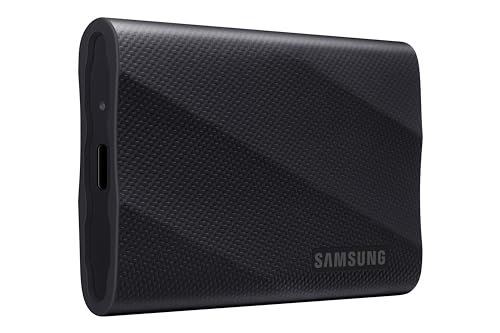
- Up to 2,000 MB/s for quick transfers and editing
- Thermal control helps during longer creative sessions
- Broad compatibility includes Mac, PC, camera, and iPhone
Best For: Students who need the fastest drive here for heavy video workloads
Value Pick
Lexar ES3 2TB for roomy storage

- 2TB capacity is great for large video libraries
- Up to 1050 MB/s read and 1000 MB/s write
- Includes USB-C/USB-A cable, encryption, and recovery tools
Best For: Students who need lots of space at a sensible performance level
Budget Pick
SanDisk Portable SSD 1TB for simple use

- Up to 800 MB/s read speed for everyday tasks
- Lightweight, pocketable design for commuting students
- Drop protection and rubber hook add durability
Best For: Students who want a simple, portable SSD for lighter projects
Most Convenient
Lexar D70E dual-drive for cable-free transfers

- Dual USB-C and USB-A connectors for direct use
- Up to 2,000 MB/s read and 1,800 MB/s write on USB-C
- Metal housing with lanyard loop for everyday carry
Best For: Students who want fast transfers with the least cable hassle
Rugged Creator Pick
Samsung T7 Shield 2TB for field-ready editing
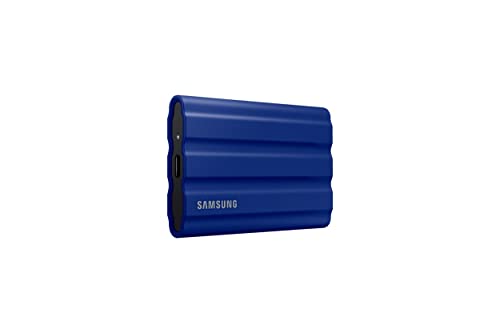
- Up to 1,050 MB/s read and 1,000 MB/s write speeds.
- IP65 water and dust resistance with 9.8-foot drop protection.
- Works with PC, Mac, Android, consoles, and iPhone 15 Pro video.
Best For: Students who need a tough, dependable drive for editing on the move.
Speed-First Pocket Drive

- Up to 1,500 MB/s sustained transfer speeds.
- Tiny, travel-friendly design with aluminum and silicone protection.
- Includes USB-C to USB-C and USB-C to USB-A cables.
Best For: Students who want a fast, ultra-compact drive for editing and backups.
High-Speed Value Pick
Crucial X10 1TB for student editors
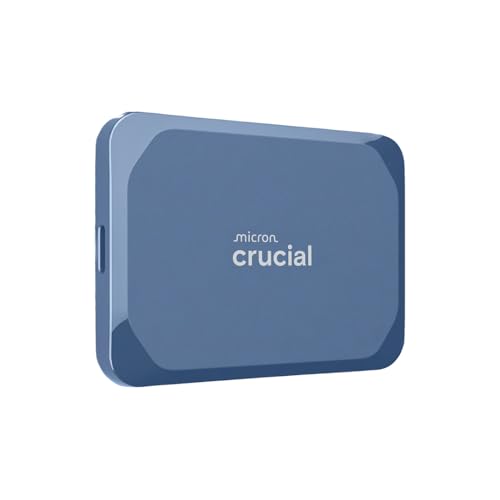
- Up to 2,100 MB/s read speeds for fast file access.
- IP65-rated with 9.8-foot drop resistance.
- Works across Windows, Mac, iPad Pro, Chromebooks, and more.
Best For: Students who need a fast, durable SSD for editing across multiple devices.
Best All-Rounder
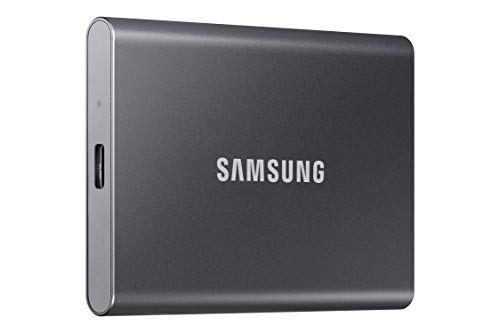
- Up to 1,050MB/s read and 1,000MB/s write
- Shock-resistant aluminum body with 6-foot fall protection
- Works with PC, Mac, phones, tablets, and 4K recording
Best For: Students who need reliable, fast everyday editing storage
Fastest Creator Drive
Crucial X10 Pro 1TB Portable SSD
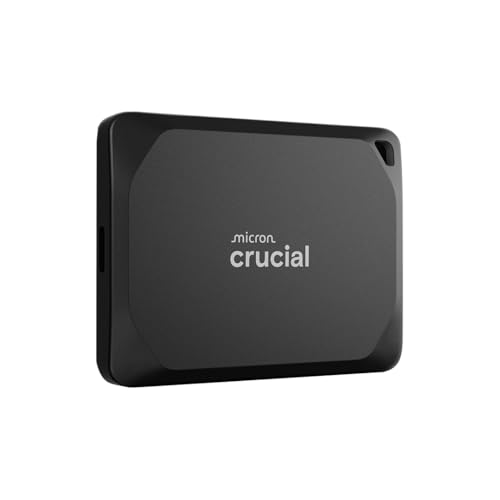
- Up to 2,100MB/s read and 2,000MB/s write
- IP55 water/dust resistance plus 7.5-foot drop protection
- Compatible with Windows, Mac, iPad Pro, Android, and more
Best For: Students editing larger projects who want maximum portable speed
Best Budget Speed Pick
GARMESE X6Max 1TB Portable SSD

- Up to 2,000MB/s read and 1,800MB/s write
- Plug-and-play setup with USB-C and USB-A adapter
- Lightweight 33g build with keychain hole
Best For: Budget-conscious students who need portable speed and easy setup
Editor’s Pick – Samsung T9 1TB for fast video projects
If you’re comparing external ssds for video editing students, the Samsung T9 stands out for speed, sustained performance, and broad compatibility. Its up to 2,000 MB/s transfer rates make it a strong fit for moving footage, editing projects, and keeping larger creative files responsive during longer sessions.
Best For: Editing students who want top-tier speed for large video files and frequent transfers.
Pros:
- Up to 2,000 MB/s read and write speeds for fast project loading and transfers
- Dynamic Thermal Guard helps control heat during heavy, longer use
- Works with desktop, camera, gaming console, Mac, PC, tablet, and iPhone 15 Pro Res 4K recording
- Includes AES 256-bit hardware encryption and Magician software for drive monitoring
Cons:
- Fastest results depend on compatible hardware and interface support
- Higher-end performance may be more than casual users need
For students editing high-bitrate footage or juggling multiple timelines, the T9 offers the strongest mix of speed and endurance in this group. It’s a premium pick, but the sustained performance and feature set make it especially appealing for serious coursework.
Value Pick – Lexar ES3 2TB for roomy storage
Among external ssds for video editing students, the Lexar ES3 is an easy value choice when you want more capacity without giving up solid speed. With up to 1050 MB/s read and 1000 MB/s write, it’s a practical option for backing up footage, moving class projects, and expanding storage on the go.
Best For: Students who want 2TB of space and reliable everyday editing transfers.
Pros:
- 2TB capacity gives you plenty of room for footage, drafts, and backups
- Up to 1050 MB/s read and 1000 MB/s write is plenty fast for student workflows
- 2-in-1 USB-C/USB-A cable improves compatibility across devices
- Drop-resistant up to 2 meters and includes AES encryption plus file recovery tools
Cons:
- Slower than premium 2,000 MB/s class drives
- Best performance still depends on the host device and connection
If your priority is storage headroom for media-heavy classes, this drive makes a lot of sense. It balances capacity, portability, and useful protection features well for students building up a larger video library.
Budget Pick – SanDisk Portable SSD 1TB for simple use
If you want a straightforward option among external ssds for video editing students, the SanDisk Portable SSD keeps things simple with up to 800 MB/s read speeds and a compact, travel-friendly build. It’s a good fit for saving course projects, backing up clips, and carrying files between home, class, and editing labs.
Best For: Students looking for a dependable, easy-to-carry drive for basic editing and backups.
Pros:
- Up to 800 MB/s read speeds for everyday file transfers and backups
- Portable, lightweight design fits easily into a student bag
- Two-meter drop protection adds useful durability for commuting
- Rubber hook lets you secure it to a backpack or belt loop
Cons:
- Slower than higher-end drives for large video files
- 1TB capacity may fill up quickly for bigger projects
This is the most basic pick in the roundup, but that also makes it easy to live with. For lighter editing workloads and frequent backups, it offers a practical, no-fuss balance of portability and protection.
Most Convenient – Lexar D70E dual-drive for cable-free transfers
For external ssds for video editing students who move files between lots of devices, the Lexar D70E is especially convenient because it uses a cable-free dual connector design. With up to 2,000 MB/s read and 1,800 MB/s write over USB-C, it can handle fast transfers while also giving you USB-A support when needed.
Best For: Students who want an easy plug-in drive for quick backups across modern and older devices.
Pros:
- Cable-free dual USB-C and USB-A connectors simplify direct backups
- Up to 2,000 MB/s read and 1,800 MB/s write on USB-C devices
- Metal housing and integrated lanyard loop improve portability and protection
- Lexar app can automatically back up photos and videos
Cons:
- USB-A speeds are lower than USB-C speeds
- Performance may drop on systems without USB 3.2 Gen 2×2 support
The D70E is a smart choice if convenience matters as much as speed. It’s particularly appealing for students who frequently switch between laptops, tablets, and mobile devices and want fewer cables to manage.
Rugged Creator Pick – Samsung T7 Shield 2TB for field-ready editing
If you need external ssds for video editing students that can handle class projects, travel, and on-the-go transfers, the Samsung T7 Shield is built for that kind of workload. It pairs fast USB 3.2 Gen 2 speeds with a rugged, IP65-rated design, so your footage stays protected when your bag gets tossed around.
Best For: Students who edit video in different places and want a durable, fast portable drive.
Pros:
- Up to 1,050 MB/s read and 1,000 MB/s write speeds for quick file transfers.
- IP65 water and dust resistance plus drop resistance up to 9.8 feet.
- Compatible with PC, Mac, Android devices, gaming consoles, and iPhone 15 Pro Res 4K at 60fps.
- Samsung Magician software adds drive health monitoring and optimization tools.
Cons:
- Faster than older portable drives, but not the quickest option in this roundup.
- Bulkier than ultra-mini drives because of its rugged shell.
Overall, the T7 Shield is a strong all-around choice when durability matters as much as speed. For students moving between campus, home, and shoot locations, it offers a practical balance of protection and performance.
Speed-First Pocket Drive – SABRENT Rocket Nano V2 1TB
For external ssds for video editing students who want very fast transfers in a tiny package, the SABRENT Rocket Nano V2 is the speed-focused pick here. Its USB 3.2 Gen 2×2 connection is rated for up to 1,500 MB/s, making it well suited for moving large video files or editing high-bitrate content directly from the drive.
Best For: Students who prioritize transfer speed and want a very compact SSD for editing and backups.
Pros:
- Up to 1,500 MB/s sustained transfer speeds for fast backups and edits.
- Anodized aluminum housing plus silicone sleeve for drop, dust, and debris protection.
- Includes both USB-C to USB-C and USB-C to USB-A cables.
- Compact, pocket-friendly design for travel and class use.
Cons:
- 1TB capacity may feel limited for larger video projects and archives.
- Less rugged than heavier-duty IP-rated options.
In practice, this is the option to pick when speed and portability are your top priorities. It is especially appealing for students who work with large clips and want a drive that stays easy to carry every day.
High-Speed Value Pick – Crucial X10 1TB for student editors
The Crucial X10 is a compelling option for external ssds for video editing students who want fast performance without giving up everyday durability. With up to 2,100 MB/s read speeds and broad device support, it is a flexible drive for moving footage between laptops, tablets, and desktops.
Best For: Students who want one fast portable SSD for editing, backups, and general school use.
Pros:
- Up to 2,100 MB/s read speeds for quick access to large media files.
- IP65 dust and water resistance plus drop resistance up to 9.8 feet.
- Broad compatibility with Windows, Mac, iPad Pro, Chromebooks, Android, Linux, PS4, PS5, and Xbox.
- Includes three months of Mylio Photos plus and Acronis True Image when registered.
Cons:
- 1TB capacity may be tight for students storing many raw video projects.
- Focuses on read speed; the notes do not list matching write performance.
The X10 stands out as a versatile student-friendly SSD with strong speed and durability. If you need a portable drive that can jump between devices and survive daily carry, it is an easy one to consider.
Best All-Rounder – Samsung T7 1TB Portable SSD
If you want one of the most dependable external ssds for video editing students, the Samsung T7 is an easy pick for fast project transfers and everyday editing. Its up to 1,050MB/s read and 1,000MB/s write speeds help cut waiting time when moving footage, backing up class projects, or working with large media folders.
Best For: Students who want a compact, reliable SSD for editing projects, backups, and general creative work.
Pros:
- Up to 1,050MB/s read and 1,000MB/s write speeds for quick file handling
- Compact aluminum design with shock resistance and fall protection up to 6 feet
- Works with PC, Mac, smartphones, tablets, and even 4K recording workflows
- Available in capacities up to 4TB for larger media libraries
Cons:
- Speed is strong, but not as high as some newer USB-C creator drives
- Best performance depends on compatible hardware and setup
The T7 is a practical, no-fuss option for editing students who need fast, portable storage without overcomplicating the workflow. It balances speed, durability, and broad compatibility well for school projects and creative use.
Fastest Creator Drive – Crucial X10 Pro 1TB Portable SSD
Among external ssds for video editing students, the Crucial X10 Pro stands out when speed matters most. With up to 2,100MB/s read and 2,000MB/s write performance, it is built to move large video files quickly and keep editing work flowing with less lag.
Best For: Students working with bigger video projects who want a faster portable drive for editing and transfers.
Pros:
- Very fast up to 2,100MB/s read and 2,000MB/s write speeds
- IP55 water and dust resistance with drop protection up to 7.5 feet
- Broad compatibility with Windows, Mac, iPad Pro, Chromebooks, Android, and consoles
- Includes password protection and bonus software with registration
Cons:
- Top speeds are only useful with a compatible high-speed USB setup
- Pricier performance tier than more basic portable SSDs
This drive is a strong choice if your coursework involves large 4K or 8K files and you want a faster, tougher SSD for on-the-go editing. It offers more headroom than basic student drives, especially for heavier creative workloads.
Best Budget Speed Pick – GARMESE X6Max 1TB Portable SSD
If you are comparing external ssds for video editing students on a tighter budget, the GARMESE X6Max is appealing for its high claimed speed and simple plug-and-play setup. It offers up to 2,000MB/s read and 1,800MB/s write performance, plus USB-C compatibility that makes it easy to use across class devices and backups.
Best For: Students who want a lightweight, travel-friendly SSD for editing, backups, and everyday file transfers.
Pros:
- Up to 2,000MB/s read and 1,800MB/s write speeds for quick transfers
- No drivers or software needed for plug-and-play use
- Very portable at 33g with a keychain hole for travel
- Includes USB-C cable and USB-C-to-USB-A adapter for flexible connections
Cons:
- ABS enclosure is less premium than aluminum alternatives
- Best for everyday student use rather than the most demanding pro workflows
The X6Max is a practical option for students who want fast storage without extra setup hassle. Its portability and broad device support make it useful for class, commuting, and quick project handoffs.
How We Picked the Best External Ssds for Video Editing Students
We prioritized drives that make sense for student editors: strong real-world transfer speeds, dependable USB-C compatibility, practical capacities, and build quality that can survive a backpack. We also weighed thermal performance, warranty support, and how well each drive fits common editing tasks like importing footage, working from the drive, and backing up projects.
Quick Comparison
In general, the fastest drives are best for heavier timelines, multicam projects, and larger 4K files. Midrange options are often the sweet spot for classwork and everyday editing. More rugged models are worth considering if you commute frequently or work on location. If your budget is tight, a slower but reliable SSD can still be a major upgrade over a hard drive.
Key Buying Factors for External Ssds for Video Editing Students
Speed
Look for sustained read and write performance, not just peak numbers. For editing directly off the drive, faster sustained speeds help with scrubbing timelines, caching, and moving large media folders. A USB 3.2 Gen 2×2 or similar connection can be beneficial, but only if your laptop actually supports it.
Capacity
1TB is often the practical starting point for students, especially if you shoot in 1080p or light 4K. If you work with larger codecs, keep multiple class projects, or archive source footage, 2TB can be the better long-term value.
Compatibility
Make sure the drive works with your laptop, desktop, and any tablet or phone you use for transfers. For External Ssds for Video Editing Students, USB-C is the safest choice because it supports modern Mac and Windows systems and simplifies cable management.
Durability and Portability
If you carry your drive daily, consider rugged shells, rubberized protection, or water resistance. Small, cable-free, or pocketable designs are convenient, but check heat handling and connection stability if you’ll be editing for long sessions.
Value
Students should focus on the best mix of speed and storage instead of chasing the highest benchmark. A well-priced midrange SSD that matches your workflow is usually smarter than an expensive top-tier drive you won’t fully use.
Who Should Buy Which External Ssds for Video Editing Students?
If you edit short-form projects, class assignments, or lighter 1080p content, a reliable 1TB drive is usually enough. If you work with 4K footage, larger project files, or multiple semesters’ worth of media, step up to 2TB. Choose rugged models if you travel often, and choose the fastest options if you regularly edit directly from the drive. For budget-conscious buyers, a dependable mainstream SSD is the safest starting point.
In short, the best external SSD is the one that matches your footage size, your laptop’s port support, and how often you need to move projects between classes.