If online classes, video lectures, and group study sessions are part of daily life, your Wi‑Fi needs to stay steady everywhere students work. A good mesh system can reduce dead zones, smooth out video calls, and keep multiple devices connected without constant buffering.
Below, we’ve narrowed the field to 10 options that balance coverage, speed, and ease of use for different home sizes and budgets.
Best 10 Mesh Routers for Online Classes Picks for 2026
Whole-Home Value Pick
TP-Link Deco S4 2-Pack for Larger Homes

- 3,800 sq. ft. coverage
- Single network name for roaming
- Parental controls and app setup
Best For: Larger homes needing easy, stable class coverage
Compact Wi-Fi 6 Choice
Amazon eero 6 for Small Spaces
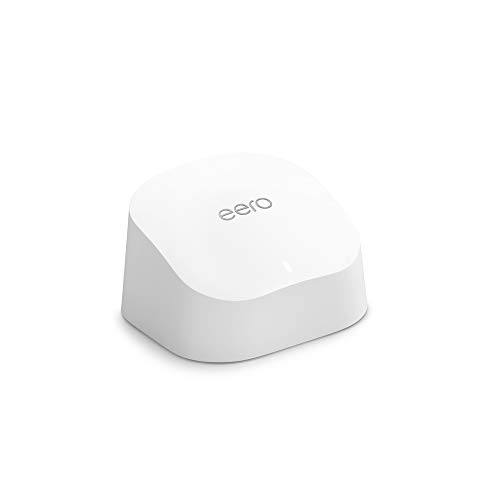
- Wi‑Fi 6 with up to 900 Mbps support
- Covers up to 1,500 sq. ft.
- TrueMesh helps reduce buffering
Best For: Smaller homes or apartments needing easy setup
Fast Coverage Upgrade
TP-Link Deco X25 Wi-Fi 6 3-Pack

- Wi‑Fi 6 coverage up to 5,800 sq. ft.
- QoS and parental controls included
- Renewed 3-pack with gigabit ports
Best For: Large households prioritizing class traffic and coverage
Simple Starter Mesh
Google Wifi 1-Pack for Reliable Coverage

- 1,500 sq. ft. coverage
- Google Home app setup
- Parental controls and guest network
Best For: Small spaces wanting easy app-based mesh control
Large-home coverage pick
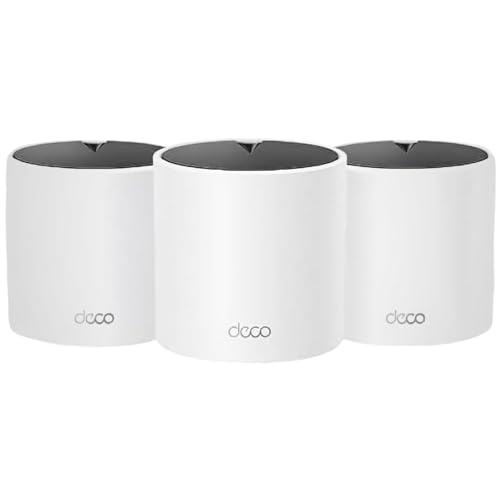
- Wi-Fi 6 AX1500 dual-band mesh
- Covers up to 5,600 sq. ft.
- Supports up to 120 devices
Best For: Large households needing steady Wi‑Fi for online classes
Balanced speed-and-coverage pick

- AX3000 Wi-Fi 6 dual-band mesh
- Supports 50+ devices
- Up to 4,500 sq. ft. coverage
Best For: Medium homes needing easy-to-manage Wi‑Fi for classes
Starter mesh choice

- AX3000 Wi-Fi 6 mesh
- Up to 2,500 sq. ft. per unit
- 3 Gigabit ports with Ethernet backhaul
Best For: Small homes or starter setups for online classes
Refurbished Whole-Home Starter
Netgear Nighthawk AX3000 3-Pack

- Covers up to 4,500 sq. ft. with 3 mesh units
- WiFi 6 dual-band system rated up to 3 Gbps
- Supports up to 35 devices and includes Armor
Best For: Families needing broad, dependable coverage for school and streaming
Classroom-Ready Tri-Band Pick

- Tri-band WiFi 6E with a 6 GHz backhaul band
- Up to 5,400 Mbps and support for 200 devices
- App-based setup with AI-driven mesh behavior
Best For: Busy homes that want cleaner wireless performance for classes and multitasking
Whole-Home Value Pick – TP-Link Deco S4 2-Pack for Larger Homes
If you want mesh routers for online classes that can keep video calls stable across a bigger home, the TP-Link Deco S4 is a practical entry point. The 2-pack uses mesh technology to create one network name for smoother roaming, with coverage up to 3,800 sq. ft. and support for up to 75 devices.
Best For: Families or students in larger homes who want simple whole-home coverage, parental controls, and easy app setup.
Pros:
- Up to 3,800 sq. ft. of coverage from the 2-pack
- Single network name and password for seamless roaming
- Supports up to 75 devices, which helps in busy households
- Parental controls and Alexa guest Wi-Fi commands
Cons:
- Wi‑Fi 5 hardware, not Wi‑Fi 6
- Needs a modem for most internet providers
The Deco S4 is a straightforward mesh choice if your main goal is broad coverage and reliable online class connectivity rather than the newest wireless standard. Wired Ethernet backhaul and gigabit ports add flexibility if you want a stronger setup later.
Compact Wi-Fi 6 Choice – Amazon eero 6 for Small Spaces
The Amazon eero 6 is a compact mesh option for online classes if you only need one node to cover a smaller area. It supports internet plans up to 900 Mbps, covers up to 1,500 sq. ft., and uses TrueMesh to help reduce drop-offs during streaming, video conferencing, and everyday browsing.
Best For: Apartments or smaller homes where you want Wi‑Fi 6, simple setup, and dependable video-call performance.
Pros:
- Wi‑Fi 6 support with up to 900 Mbps plan compatibility
- Covers up to 1,500 sq. ft. in a single-pack setup
- TrueMesh routing is designed to reduce dead spots and buffering
- App-based setup with 7-day-a-week US customer support
Cons:
- Single pack is better for smaller coverage needs
- Only one unit included, so expansion may be needed later
This is a good fit if you want a modern mesh router without a complicated setup process. It also offers room to grow, since eero hardware is cross-compatible if your online class setup expands.
Fast Coverage Upgrade – TP-Link Deco X25 Wi-Fi 6 3-Pack
TP-Link - Deco X25 AX1800 Dual-Band Whole Home Mesh Wi-Fi 6 System (3-Pack) - White (Renewed)
Check Price On AmazonFor mesh routers for online classes in a larger household, the TP-Link Deco X25 aims at speed, coverage, and security. This renewed 3-pack uses Wi‑Fi 6 to cover up to 5,800 sq. ft. and includes features like built-in antivirus, parental controls, and QoS to help prioritize important traffic.
Best For: Busy homes that want wide Wi‑Fi 6 coverage and extra controls for prioritizing class traffic.
Pros:
- Wi‑Fi 6 system with up to 5,800 sq. ft. coverage
- QoS, parental controls, and built-in antivirus
- Two gigabit WAN/LAN ports for wired or wireless flexibility
- 3-pack design is suited to larger spaces
Cons:
- Renewed product, not brand new
- 90-day limited warranty is shorter than many new systems
If your online classes need stable connections across many rooms, this model is built to spread coverage while keeping management tools close at hand. The Wi‑Fi 6 hardware and gigabit ports make it a strong all-around mesh upgrade.
Simple Starter Mesh – Google Wifi 1-Pack for Reliable Coverage
Google Wifi - AC1200 - Mesh WiFi System - Wifi Router - 1500 Sq Ft Coverage - 1 pack
Check Price On AmazonGoogle Wifi is a simple mesh option for online classes when you want dependable coverage without a complicated router setup. The single point covers up to 1,500 sq. ft., and the system is designed to expand later with additional Google Wifi points or Nest Wifi compatibility.
Best For: Small homes or apartments that want an easy mesh setup and straightforward app control.
Pros:
- Covers up to 1,500 sq. ft. per 1-pack unit
- Simple Google Home app setup in a few steps
- Parental controls, guest network, and device prioritization
- Expandable with additional Google Wifi points or Nest Wifi systems
Cons:
- Wi‑Fi 5 rather than Wi‑Fi 6
- Single pack has limited coverage versus multi-pack systems
This is a clean, beginner-friendly pick if you mainly need stable internet for class meetings and homework. It works best when your coverage needs are modest, but it can grow with your setup over time.
Large-home coverage pick – TP-Link Deco X15 3-Pack
If you need mesh routers for online classes, the TP-Link Deco X15 is built to keep video calls stable across a larger home. It uses Wi-Fi 6 AX1500 dual-band networking, supports up to 120 devices, and covers up to 5,600 sq. ft., which makes it a practical pick when multiple students and family members are online at the same time.
Best For: Families that want broad whole-home coverage for classes, streaming, and everyday browsing.
Pros:
- Wi-Fi 6 AX1500 dual-band system with up to 1,201 Mbps on 5 GHz and 300 Mbps on 2.4 GHz
- Covers up to 5,600 sq. ft. and is designed to reduce dead zones and buffering
- Supports up to 120 devices, which helps in busy households
- Each unit includes 2 Gigabit Ethernet ports and supports wired Ethernet backhaul
Cons:
- Dual-band design may be less ideal than higher-tier tri-band systems in very heavy-use homes
- 3-pack coverage may be more than some smaller apartments need
The Deco X15 focuses on simple, reliable whole-home coverage rather than flashy extras, and that makes it well suited to online classes where consistency matters more than speed claims alone. If you want a mesh system that is easy to manage and sized for a large household, this is a strong option.
Balanced speed-and-coverage pick – Linksys Atlas WiFi 6 2-Pack
For mesh routers for online classes, the Linksys Atlas WiFi 6 aims to keep video meetings smooth while handling the rest of the home at the same time. It offers AX3000 speeds, dual-band Wi-Fi 6 performance, and support for 50+ devices, so it fits homes where class calls, streaming, and general use all overlap.
Best For: Medium-sized households that want fast Wi-Fi 6 coverage with straightforward app control.
Pros:
- AX3000 dual-band Wi-Fi 6 with claimed gigabit-class performance
- Supports 50+ devices and covers up to 4,500 sq. ft. according to the notes
- Free Linksys app makes setup and network management simple
- Includes automatic firmware updates, parental controls, and guest networks
Cons:
- Dual-band design may not match the flexibility of tri-band mesh systems
- Coverage needs may vary depending on home layout and interference
The Atlas 6 is a balanced choice if you want a dependable mesh setup without overcomplicating things. Its mix of strong speeds, app-based control, and family-friendly security tools makes it a sensible fit for online learning at home.
Starter mesh choice – TP-Link Deco X55 Single Unit
If you only need one node to improve a smaller space, the TP-Link Deco X55 is a compact option among mesh routers for online classes. It delivers AX3000 Wi-Fi 6, covers up to 2,500 sq. ft. per unit, and supports Ethernet backhaul, making it useful when you want a cleaner signal for one student or a smaller home office.
Best For: Smaller homes or starter setups that want Wi-Fi 6 mesh performance with room to expand later.
Pros:
- AX3000 Wi-Fi 6 with dual-band performance for everyday school and work use
- One unit covers up to 2,500 sq. ft., with more Deco units available for expansion
- Includes 3 Gigabit Ethernet ports and supports wired Ethernet backhaul
- Deco app setup, HomeShield features, and AI-driven mesh management are included in the notes
Cons:
- Single-pack coverage may be limited for larger homes with multiple floors
- As a one-unit starter, it may need expansion to match whole-home mesh needs
The Deco X55 is a smart entry point if your priority is dependable class-time connectivity in a modest space. It keeps the essentials in focus: Wi-Fi 6 speed, easy management, and the option to add more mesh nodes later.
Refurbished Whole-Home Starter – Netgear Nighthawk AX3000 3-Pack
If you need mesh routers for online classes, this NETGEAR Nighthawk 3-pack is a practical way to spread WiFi 6 coverage across a home up to 4,500 sq. ft. It’s built to handle up to 35 devices, which makes it a solid fit for families juggling video calls, homework, streaming, and everyday browsing at the same time.
Best For: Households that want wide WiFi 6 coverage for multiple students and devices without moving up to a premium system.
Pros:
- Covers up to 4,500 sq. ft. with a router and 2 satellites.
- WiFi 6 and dual-band design support up to 3 Gbps speeds.
- Rated for use with up to 35 devices in busy homes.
- Includes one year of NETGEAR Armor internet security.
Cons:
- Certified refurbished, so it is not a brand-new unit.
- Dual-band design is less advanced than tri-band or WiFi 6E options.
This is a straightforward mesh package if your main goal is stable coverage for class sessions and family internet use. It balances speed, area coverage, and security without adding extra complexity.
Classroom-Ready Tri-Band Pick – TP-Link Deco XE75 WiFi 6E
For mesh routers for online classes, the TP-Link Deco XE75 stands out because its 6 GHz band helps reduce interference and keeps mesh backhaul stable by default. With tri-band WiFi 6E support and coverage up to 2,900 sq. ft., it’s a strong option if you want smoother video lessons, less congestion, and easy app-based management.
Best For: Students and households that want a modern WiFi 6E mesh system with cleaner wireless performance and simple setup.
Pros:
- WiFi 6E tri-band system with a dedicated 6 GHz band.
- Up to 5,400 Mbps total speeds and support for up to 200 devices.
- AI-driven mesh is designed to follow you with fewer interruptions.
- Deco app makes setup and management simple.
Cons:
- Single-pack coverage is limited to up to 2,900 sq. ft.
- 6 GHz benefits are best on WiFi 6E-compatible devices.
The XE75 is a smart pick if your class-day network needs are growing and you want more headroom than a basic dual-band system. Its mix of 6 GHz backhaul, strong device capacity, and easy controls makes it well suited to busy homes.
Fastest Premium Mesh – NETGEAR Orbi 360 WiFi 7 System
If you want mesh routers for online classes and you also have a lot of simultaneous household traffic, the NETGEAR Orbi 360 Series is built for heavy use. It offers WiFi 7 speeds up to 5 Gbps, coverage up to 6,000 sq. ft., and support for up to 70 devices, making it a strong choice for large homes that need consistent performance during video conferencing and streaming.
Best For: Large households that need top-tier mesh coverage, high device capacity, and very fast WiFi for school and entertainment.
Pros:
- WiFi 7 support with speeds up to 5 Gbps.
- Covers up to 6,000 sq. ft. and supports up to 70 devices.
- Includes dual 2.5 Gig LAN ports for fast wired connections.
- Built-in security features and NETGEAR Armor trial included.
Cons:
- Requires a separate modem.
- Premium hardware may be more than some smaller homes need.
This Orbi system is the most future-ready option in the group, especially if your household has lots of users and multi-gig internet service. It’s a strong fit when class calls, 4K streaming, and other high-demand tasks all need to run at once.
How We Picked the Best Mesh Routers for Online Classes
We focused on the features that matter most for students and families: reliable whole-home coverage, consistent performance for video conferencing, support for many connected devices, and simple app-based setup. We also looked for models that make sense for shared spaces, where laptops, tablets, phones, and smart TVs may all be online at once.
Quick Comparison: Which Type Fits Your Home?
If you need a budget-friendly starter system, dual-band Wi‑Fi 5 or Wi‑Fi 6 mesh kits can be enough for smaller apartments or single-student households. For larger homes or busier networks, Wi‑Fi 6 and 6E options typically offer better capacity and fewer slowdowns during class hours. Wi‑Fi 7 systems are the most future-ready, but they make the most sense if you want top-end performance and have devices that can take advantage of it.
Key Buying Factors for Mesh Routers for Online Classes
Coverage and Layout
Match the system’s rated coverage to your actual space, then consider wall materials, multiple floors, and where classes will be attended. A home office in the far corner of the house needs more than a box with a big square-footage claim.
Video Call Stability
Stable upload and low latency matter more than raw peak speed for Zoom, Google Meet, Teams, and similar platforms. A mesh system that keeps the connection steady is often better than one with impressive speed numbers but inconsistent performance.
Device Capacity
Online learning rarely involves just one device. Look for systems that can handle many simultaneous connections so class audio, streaming, gaming, and homework don’t compete as heavily.
Ease of Management
Parental controls, guest networks, prioritization tools, and easy mobile setup can make day-to-day use simpler. These features are especially helpful in households with younger students or multiple users.
Who Should Buy Which Mesh Routers for Online Classes?
Choose a more affordable dual-band system if you’re outfitting a small home or apartment with one or two primary study areas. Step up to a faster Wi‑Fi 6 or 6E mesh if your household has several students, frequent video calls, or lots of simultaneous device use. If you want the longest upgrade path and have a larger budget, Wi‑Fi 7 mesh is the best fit for future-proofing and heavy use.
For most buyers, the best choice is the system that delivers dependable coverage where classes actually happen—not just the one with the biggest speed label on the box.