Online classes need more than basic internet access. A good router helps keep video calls steady, assignments uploading smoothly, and everyone else in the house connected at the same time.
Below, we’ve rounded up the best options for different home sizes, device counts, and budgets so you can choose a router that supports learning without constant buffering or dropouts.
Best 10 Routers for Online Classes Picks for 2026
Budget-Friendly Wi‑Fi 6 Pick
TP-Link Archer AX21 V5 for fast, stable classes

- Wi‑Fi 6 AX1800 dual-band performance
- 4 antennas with Beamforming for wider coverage
- OFDMA support for multiple devices and classes
Best For: Students and families wanting a simple, reliable Wi‑Fi 6 router
Security-First Choice
ASUS RT-AX1800S for class-time reliability

- Wi‑Fi 6 with MU‑MIMO and OFDMA
- Subscription-free security with AiProtection Classic
- 5 Gigabit ports for wired school devices
Best For: Homes that want security features and stable performance for online learning
Mesh Coverage Pick
Amazon eero 6 for whole-home online classes
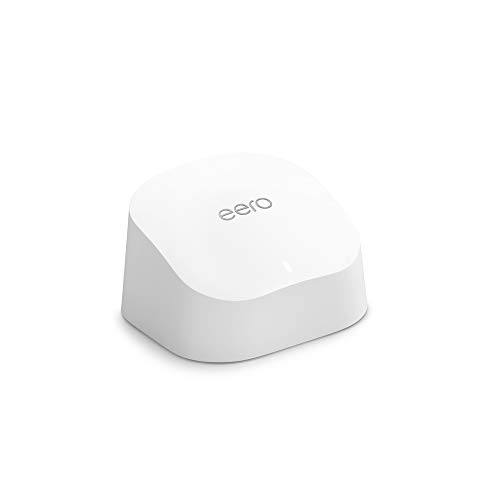
- Mesh Wi‑Fi 6 coverage up to 1,500 sq. ft.
- TrueMesh helps reduce drop-offs in video calls
- Supports 75+ connected devices
Best For: Medium-sized homes with dead spots and lots of connected devices
Future-Proof Upgrade
TP-Link Archer BE230 for demanding school days

- Wi‑Fi 7 with MLO, Multi-RUs, and 4K-QAM
- 2.5G + 1G ports for fast wired devices
- Up to 2,000 sq. ft. coverage and 60 devices
Best For: Power users and larger homes that want newer Wi‑Fi 7 features
Small-home class support
NETGEAR Nighthawk AX1800 Router

- WiFi 6 AX1800 speeds up to 1.8 Gbps
- Covers up to 1,500 sq. ft. and 20 devices
- 4 Gigabit LAN ports for wired connections
Best For: Students in smaller homes who need reliable video calls
Efficient everyday router
TP-Link Archer AX10 WiFi 6 Router

- WiFi 6 with OFDMA and MU-MIMO
- Dual-core 900MHz processor for stable use
- 4 Gigabit LAN ports for wired devices
Best For: Homes that need smooth school video calls and multitasking
High-performance home option
NETGEAR Nighthawk AX3000 Router

- AX3000 speeds up to 3 Gbps
- Covers up to 2,000 sq. ft. and 25 devices
- Built-in VPN plus WPA3 security
Best For: Busy homes with lots of devices and heavier online class use
Premium Wi‑Fi 6E Pick
TP-Link AXE5400 Tri-Band WiFi 6E Router

- Up to 5400 Mbps on tri-band Wi‑Fi 6E
- 6 GHz band helps reduce latency for calls
- EasyMesh-compatible for wider whole-home coverage
Best For: busy homes that need fast, low-latency Wi‑Fi for classes and video calls
Budget-Friendly Reliable Option
TP-Link AC1200 Gigabit Dual Band Router

- AC1200 dual-band Wi‑Fi with gigabit ports
- MU-MIMO and beamforming for multiple devices
- WPA3 security with OneMesh expansion support
Best For: students and families wanting an affordable, dependable class router
Future-Ready Wi‑Fi 7 Upgrade
TP-Link BE6500 Dual-Band WiFi 7 Router

- Wi‑Fi 7 features with MLO and 4K-QAM
- Dual 2.5 Gbps ports for multi-gig speeds
- Supports up to 90 devices across 2,400 sq. ft.
Best For: tech-forward homes and students who want long-term performance for classes and streaming
Budget-Friendly Wi‑Fi 6 Pick – TP-Link Archer AX21 V5 for fast, stable classes
If you need routers for online classes, the TP-Link Archer AX21 V5 is a practical Wi‑Fi 6 option that focuses on stable, reliable home coverage. Its dual-band AX1800 design is built to handle streaming, video calls, and multiple devices without adding unnecessary complexity.
Best For: Students and families who want an affordable Wi‑Fi 6 router with broad coverage and easy setup support.
Pros:
- Wi‑Fi 6 with AX1800 speeds for smoother streaming, downloads, and video conferencing
- Beamforming plus 4 high-gain antennas for stronger coverage to farther rooms
- OFDMA support helps communicate with more devices at once
- Works with all major internet providers and supports Alexa control
Cons:
- Dual-band only, so it does not support 6 GHz
- Requires a separate modem
- Performance can vary with walls, distance, and network conditions
Overall, this is a solid everyday router for online classes if you want dependable Wi‑Fi 6 performance without moving into premium pricing. It covers the basics well and adds useful security and VPN features for a home study setup.
Security-First Choice – ASUS RT-AX1800S for class-time reliability
For routers for online classes, the ASUS RT-AX1800S stands out for its balance of Wi‑Fi 6 speed, device handling, and built-in security tools. It is designed to keep homework, video calls, and household streaming moving smoothly on a dual-band network.
Best For: Households that want a secure, Wi‑Fi 6 router with strong control features for students and parents.
Pros:
- Wi‑Fi 6 with MU‑MIMO and OFDMA for better efficiency with multiple devices
- AiProtection Classic powered by Trend Micro for subscription-free network security
- Built-in VPN and ASUS Instant Guard for secure access away from home
- Five Gigabit ports for wired devices like PCs, consoles, and smart TVs
Cons:
- Dual-band router, not a 6 GHz model
- Coverage and throughput will vary with walls, traffic, and network conditions
- Requires a separate modem for internet service
This is a strong pick if you care as much about safety and control as you do about speed. The wired ports and security features make it especially useful for a home learning environment with multiple users.
Mesh Coverage Pick – Amazon eero 6 for whole-home online classes
If your home has dead spots that interrupt lessons, the Amazon eero 6 is a mesh-style router built to spread Wi‑Fi more evenly. It supports online classes, video conferencing, and streaming across a wider area while keeping setup simple through the app.
Best For: Medium-sized homes that need better room-to-room coverage for schoolwork and video calls.
Pros:
- Whole-home Wi‑Fi 6 coverage up to 1,500 sq. ft.
- TrueMesh technology helps reduce drop-offs and buffering during video conferences
- Supports 75+ devices, which is helpful for busy households
- App-based setup with free US customer support
Cons:
- Single-pack coverage may be limited for larger homes
- Top speed support is up to 900 Mbps, not the fastest in this group
- Requires expansion hardware if you later need more coverage
This is the most practical option here when the main problem is coverage rather than raw speed. It is a good fit for families that need steady connections in more than one room during school hours.
Future-Proof Upgrade – TP-Link Archer BE230 for demanding school days
For buyers comparing routers for online classes, the TP-Link Archer BE230 is the most future-focused option in this roundup. Its Wi‑Fi 7 platform, faster wired ports, and high device capacity make it a good fit for busy homes that also want room to grow.
Best For: Power users and larger households that want newer Wi‑Fi 7 features plus faster wired connectivity.
Pros:
- Wi‑Fi 7 with Multi-Link Operation, Multi-RUs, and 4K-QAM for improved speed and reliability
- Up to 2,000 sq. ft. coverage and support for up to 60 devices
- Two 2.5G ports plus three 1G LAN ports for high-speed wired connections
- EasyMesh compatibility and HomeShield security features
Cons:
- Dual-band design, so it does not support 6 GHz
- Wi‑Fi 7 benefits depend on compatible devices and conditions
- May be more router than needed for a basic school-only setup
If you want a router that can handle online classes now and scale into faster home networking later, this is the strongest upgrade option. It combines modern wireless features with unusually robust port options for wired devices.
Small-home class support – NETGEAR Nighthawk AX1800 Router
If you need one of the more practical routers for online classes, this NETGEAR Nighthawk WiFi 6 model is built to keep video calls stable while handling everyday streaming and family devices. It offers AX1800 speeds, dual-band performance, and coverage designed for up to 1,500 sq. ft., making it a solid fit for a modest home setup.
Best For: Students and families in smaller homes who want dependable WiFi for classes, meetings, and light-to-moderate device loads.
Pros:
- WiFi 6 AX1800 performance supports streaming and video calls up to 1.8 Gbps.
- Covers up to 1,500 sq. ft. and supports up to 20 connected devices.
- Includes 4 Gigabit Ethernet LAN ports for wired schoolwork devices.
- Setup is available through the Nighthawk app or a web browser.
Cons:
- Requires a separate modem or ISP gateway with an RJ45 Ethernet port.
- Coverage may be limited in larger homes or multi-story layouts.
Overall, this router makes sense if your priority is a straightforward upgrade for online classes without moving into a higher-priced mesh system. It balances ease of setup, wired ports, and modern WiFi 6 features in a size that matches smaller living spaces.
Efficient everyday router – TP-Link Archer AX10 WiFi 6 Router
The TP-Link Archer AX10 is a strong option among routers for online classes if you want WiFi 6 features without overcomplicating setup. Its dual-band design, Beamforming, OFDMA, and MU-MIMO are aimed at keeping multiple devices connected smoothly during classes, homework, and streaming.
Best For: Households that need dependable everyday performance for school, video conferencing, and mixed device use.
Pros:
- WiFi 6 with OFDMA and MU-MIMO helps serve more devices efficiently.
- Dual-core 900MHz processor supports smooth streaming and video conferencing.
- Beamforming helps focus signal strength for better coverage.
- Four Gigabit LAN ports give you wired options for a desk setup.
Cons:
- Requires a modem for most internet service providers.
- Coverage is described generally as extensive, but no exact square footage is listed.
For families or students who need a capable everyday router for class time, this model covers the essentials well. It emphasizes efficient multi-device handling, which is useful when school, work, and entertainment all happen on the same network.
High-performance home option – NETGEAR Nighthawk AX3000 Router
If your online classes share bandwidth with gaming, HD streaming, and multiple devices, this NETGEAR Nighthawk WiFi 6 router is built for heavier home use. With AX3000 speeds up to 3 Gbps, coverage up to 2,000 sq. ft., and support for up to 25 devices, it is the most performance-focused option in this group.
Best For: Busy households that want stronger coverage and faster WiFi for classes, calls, and high-demand use.
Pros:
- AX3000 WiFi 6 speeds reach up to 3 Gbps for demanding tasks.
- Covers up to 2,000 sq. ft. and supports up to 25 devices.
- Includes built-in VPN support and WPA3 security.
- Offers 4 Gigabit Ethernet ports for wired connections.
Cons:
- Does not include a built-in cable modem.
- Requires a separate cable modem with coax inputs for internet service.
This is the best fit when your network needs a bit more headroom than a basic home router can provide. It is especially useful if multiple people are online at once and you want extra speed and coverage for a more crowded connection.
Premium Wi‑Fi 6E Pick – TP-Link AXE5400 Tri-Band WiFi 6E Router
If you’re comparing routers for online classes, this TP-Link AXE5400 Wi‑Fi 6E model is a strong choice for busy homes that need fast, low-latency connections for video calls, coursework, and streaming at the same time. Its tri-band design and 6 GHz band are built to help reduce congestion when multiple people are online.
Best For: Students and households that want higher-capacity Wi‑Fi for classes, video chatting, and shared internet use.
Pros:
- Tri-band Wi‑Fi 6E with up to 5400 Mbps total throughput
- 6 GHz band and OFDMA help support more responsive video chatting
- Dual-core CPU and 512 MB memory for long-term performance
- EasyMesh-compatible for expanding coverage across the home
Cons:
- A modem is required for most internet service providers
- More router than you need if your class use is light and your home is small
Overall, this router makes sense if online classes share bandwidth with streaming, gaming, or multiple users. It brings newer Wi‑Fi 6E features and security tools like WPA3 and HomeShield, but it’s best valued in homes that can actually benefit from its extra capacity.
Budget-Friendly Reliable Option – TP-Link AC1200 Gigabit Dual Band Router
For shoppers seeking routers for online classes without overspending, the TP-Link Archer A6 covers the basics well: stable dual-band Wi‑Fi, gigabit ports, and enough range for a typical home office or study setup. It’s a practical pick when you want dependable class-time connectivity rather than the latest wireless standard.
Best For: Students and families who want an affordable router for everyday classes, homework, and general streaming.
Pros:
- AC1200 dual-band speeds up to 1200 Mbps total
- Four Gigabit LAN ports for wired devices and stable connections
- MU-MIMO and beamforming help with multiple devices
- WPA3 security plus AP mode and OneMesh support
Cons:
- Wi‑Fi 5, not newer Wi‑Fi 6 or 6E
- Less future-focused than higher-end options for heavy household use
The Archer A6 is a straightforward value choice if your online classes need reliable coverage more than cutting-edge speed. It’s a good fit for smaller budgets, especially when a wired gigabit setup matters.
Future-Ready Wi‑Fi 7 Upgrade – TP-Link BE6500 Dual-Band WiFi 7 Router
If you want routers for online classes that can also handle heavy household traffic, this TP-Link BE6500 brings Wi‑Fi 7 features, multi-gig ports, and wide device support. It’s designed for smoother performance on newer laptops and phones, while still being practical for remote learning, video meetings, and shared internet use.
Best For: Tech-forward homes and students who want a powerful router for classes, streaming, and future Wi‑Fi 7 devices.
Pros:
- Wi‑Fi 7 with MLO, Multi-RUs, and 4K-QAM
- Dual 2.5 Gbps ports for faster wired networking
- Covers up to 2,400 sq. ft. and supports up to 90 devices
- HomeShield, private IoT, and VPN client/server support
Cons:
- May be overkill if you only need basic class-time browsing and calls
- Best benefits come with newer Wi‑Fi 7-capable devices
This router is the most future-ready option in the group, and it’s especially appealing if your home network does a lot more than schoolwork. If you want extra headroom for years of use, it’s a compelling upgrade.
How We Picked These Routers for Online Classes
We focused on Routers for Online Classes that balance stable performance, modern Wi‑Fi standards, and practical coverage. Priority went to models with dual-band or better connectivity, strong device handling, and features that reduce interruptions during live lessons, screen sharing, and downloads.
We also considered setup simplicity, parental controls, mesh expandability, Ethernet ports for wired devices, and security tools that help families stay connected with less hassle.
Quick Comparison
For smaller homes or lighter use, entry-level Wi‑Fi 6 and AC models can be enough. For households with multiple students, streaming, and smart devices, Wi‑Fi 6 and Wi‑Fi 6E options offer better consistency. If you want the most future-ready pick, Wi‑Fi 7 models bring extra headroom for fast plans and crowded networks.
Key Buying Factors for Routers for Online Classes
Coverage and Signal Stability
Choose a router that matches your home size. Dead zones matter more than raw speed when a class drops mid-call. Mesh support can help if bedrooms, offices, or study spaces sit far from the main router.
Speed and Band Support
For everyday schoolwork, video conferencing, and homework uploads, Wi‑Fi 6 is usually plenty. If your family shares one connection across several heavy users, look at Wi‑Fi 6E or Wi‑Fi 7 for more capacity and less congestion.
Device Capacity
Many homes now run laptops, tablets, phones, smart TVs, and printers at once. A router with strong multi-device handling is important for Routers for Online Classes, especially in shared households.
Wired Ports and Security
Ethernet ports are useful for desktop PCs, gaming consoles, or a dedicated study space. Security tools, guest networks, and parental controls add convenience and peace of mind for families.
Who Should Buy Which Routers for Online Classes?
Small households or budget shoppers: Choose an affordable dual-band model with enough speed for one or two students.
Busy family homes: Pick a Wi‑Fi 6 router with better range, stronger device support, and parental controls.
Large homes or heavy internet use: Consider mesh-ready or Wi‑Fi 6E/Wi‑Fi 7 models for more reliable coverage and future-proofing.
Power users with fast internet plans: Look for multi-gig ports and newer wireless standards to make full use of higher speeds.