Clean dialogue can make or break a film, interview, documentary, or branded video. The right lavalier microphone keeps voices intelligible while staying discreet, comfortable, and practical for the way you shoot.
We selected 10 lavalier options spanning professional broadcast microphones, low-profile models, wireless systems, and budget-friendly camera solutions. Use the guide below to match connector type, pickup pattern, placement needs, and production workflow.
Best 10 Lavalier Microphone for Filmmaking Dialogue Picks for 2026
Reliable On-Camera Pick

- Broadcast-grade audio with an unobtrusive 4.0mm capsule
- Forgiving omnidirectional pickup
- 3.5mm TRS connection and Kevlar-reinforced cable
Best For: Camera-based filmmaking and fast-paced shoots
Most Discreet Design
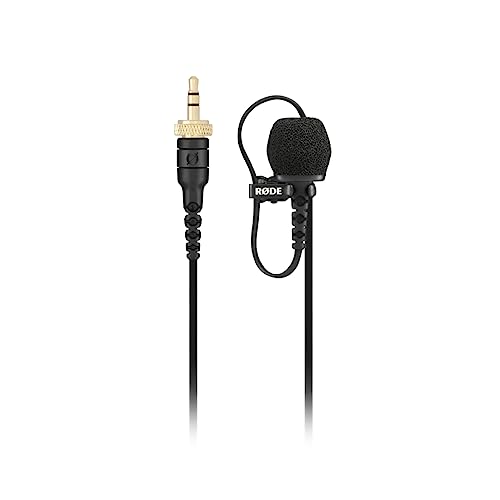
- Ultra-low-profile body with a flat cable
- Broadcast-grade omnidirectional sound
- Locking connector and extensive accessory kit
Best For: Concealed dialogue recording with compatible wireless systems
Wireless-System Classic
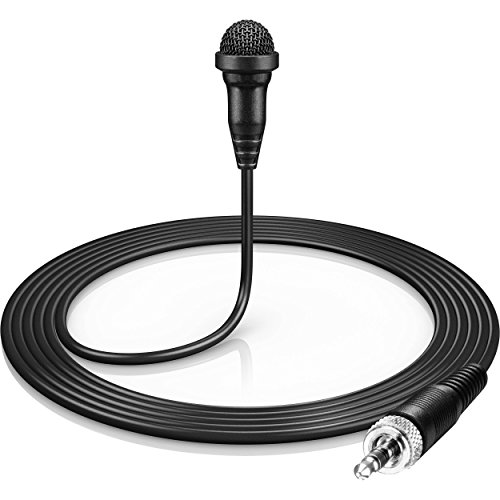
- Omnidirectional speech pickup
- Threaded 3.5mm EW connector
- Includes clip and windscreen configuration
Best For: Compatible Sennheiser Evolution Wireless systems
Focused Dialogue Option
Shure WL185M Cardioid Lavalier

- Cardioid condenser pickup for more focused speech capture
- Low-profile body and rotating tie clip
- TA4F termination for compatible bodypacks
Best For: Controlled dialogue with TA4F wireless transmitters
Flexible Wired Pick

- Rotating design and cable routing
- Compact, concealable form
- 20 Hz–20 kHz response
Best For: DJI Mic and DJI Mic 2 users
Professional Wired Pick

- Forgiving omnidirectional pickup
- Locking TRS connector
- Kevlar-reinforced cable
Best For: RODELink and compatible 3.5 mm recorder setups
Broadcast Proven
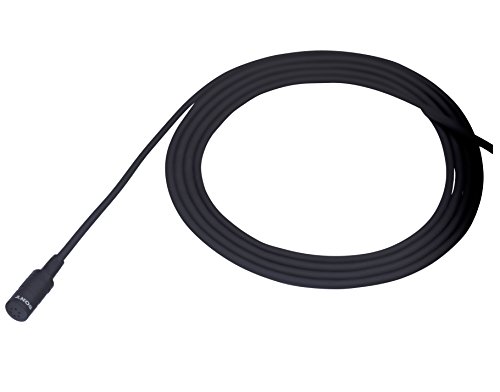
- Omnidirectional condenser capsule
- XLR3M connector for compatible gear
- Runs on two AA batteries
Best For: XLR-based interviews and broadcast-style filmmaking
Ultra-Discreet Pick

- Tiny 3.3 mm capsule
- Thin, flexible 1 mm cable
- Omnidirectional pickup with clip
Best For: Discreet dialogue recording with compatible 3-pin Lemo gear
Flexible Camera Companion

- 3.5 mm TRS connection
- 47-inch soft cable
- Omnidirectional noise-canceling design
Best For: Camera, smartphone, vlog, and interview recording setups
Reliable On-Camera Pick – RØDE Lavalier GO
For filmmakers seeking a practical lavalier microphone for filmmaking dialogue, the RØDE Lavalier GO offers broadcast-grade capture, a forgiving omnidirectional pattern, and broad compatibility through its standard 3.5mm TRS connector.
Best For: Filmmakers using cameras, audio interfaces, or wireless transmitters with a 3.5mm input.
Pros:
- Omnidirectional pickup is forgiving when talent placement changes.
- Discreet 4.0mm capsule helps keep the microphone unobtrusive on camera.
- Kevlar-reinforced 1.2m cable is designed for the demands of regular shoots.
- Includes a pop shield and clip with built-in cable management.
Cons:
- Its 3.5mm TRS connection may require an adapter for devices with different inputs.
- The omnidirectional pattern can pick up surrounding sound in noisy locations.
The Lavalier GO is a sensible all-around choice when you want straightforward camera connectivity, easy placement, and durable construction without a complicated setup.
Most Discreet Design – RØDE Lavalier II
RØDE Lavalier II Ultra-Low-Profile Lavalier Microphone | Auxiliary Connectivity
Check Price On AmazonThe RØDE Lavalier II is a strong lavalier microphone for filmmaking dialogue when concealment matters. Its low-profile body, flat cable, and locking connector support discreet placement with professional wireless systems.
Best For: Narrative filmmakers and content creators who prioritize concealed miking and a premium accessory package.
Pros:
- Low-profile design and flat cable make it easier to hide under clothing.
- Omnidirectional pickup and flat frequency response support broadcast-style capture.
- Locking connector is suited to professional wireless microphone systems.
- Includes a pop filter, furry windshield, clip, ID rings, and zip case.
Cons:
- It may not work directly with phones and cameras.
- Users may need compatible equipment such as the Wireless GO II or AI-Micro.
Choose the Lavalier II when a cleaner on-camera appearance and flexible concealment are more important than direct plug-and-play compatibility with every camera or phone.
Wireless-System Classic – Sennheiser ME 2
The Sennheiser ME 2 is a straightforward lavalier microphone for filmmaking dialogue that uses a 3.5mm threaded EW connector. Its omnidirectional design makes it useful for speech capture when paired with compatible equipment.
Best For: Filmmakers already using compatible Sennheiser Evolution Wireless equipment or other systems with a threaded EW input.
Pros:
- Omnidirectional pattern supports flexible placement on talent.
- Threaded 3.5mm EW connector provides a secure compatible-system connection.
- Includes a clip and, depending on the supplied version, a metal windscreen.
- Compact and lightweight at approximately 9.07g.
Cons:
- The threaded EW connector is less broadly compatible than a standard unthreaded 3.5mm plug.
- Supplied accessories may vary between the ME 2-US and ME 2-II versions.
The ME 2 makes the most sense as a replacement or additional lav for an existing compatible wireless kit, rather than as a universal microphone for any camera setup.
Focused Dialogue Option – Shure WL185M Cardioid Lavalier
The Shure WL185M takes a more focused approach to a lavalier microphone for filmmaking dialogue, using a cardioid condenser capsule to help concentrate pickup toward the speaker. Its low-profile design and TA4F termination are intended for compatible bodypack transmitters.
Best For: Filmmakers and production teams using TA4F-compatible bodypacks in presentations, theater, broadcast, or controlled dialogue environments.
Pros:
- Cardioid pattern can help focus capture toward the speaker.
- Low-profile design is 8mm shorter than the original WL18X series.
- Rotating tie clip allows precise placement at 90-degree intervals.
- Includes a snap-fit windscreen, tie clip, and zippered storage pouch.
Cons:
- TA4F termination limits compatibility to suitable bodypack transmitters.
- Cardioid pickup requires more careful positioning than an omnidirectional lavalier.
- It is not presented as a direct camera microphone.
The WL185M is a specialized choice for crews that already have compatible Shure-style wireless infrastructure and want directional, low-profile dialogue capture with adjustable placement.
Flexible Wired Pick – DJI Lavalier Microphone
The DJI Lavalier Microphone is a compact wired option for filmmakers who need a concealable lavalier microphone for filmmaking dialogue. Its unidirectional pickup, rotating design, and cable-routing system are suited to interviews, vlogs, livestreams, and other setups using compatible DJI equipment.
Best For: DJI Mic and DJI Mic 2 users who want a small, flexible wired lavalier.
Pros:
- Rotating design supports flexible recording angles.
- Cable routing helps prevent accidental unplugging.
- Compact form factor is easy to conceal on talent.
- 20 Hz–20 kHz frequency range and 74 dB signal-to-noise ratio.
Cons:
- Uses a wired 3.5 mm TRS connection rather than a wireless link.
- Compatibility is specifically listed for DJI Mic and DJI Mic 2 systems.
Choose this model when compatibility with DJI’s wireless microphone ecosystem and a discreet, adjustable cable setup matter more than standalone wireless operation.
Professional Wired Pick – RODElink LAV Lavalier
The RODE RODElink LAV is a professional-grade lavalier microphone for filmmaking dialogue, especially when a dependable wired connection and forgiving placement are priorities. Its omnidirectional capsule, locking TRS connector, and reinforced cable make it practical for repeated production use.
Best For: Filmmakers using RODELink systems or recorders with a 3.5 mm locking microphone input.
Pros:
- Omnidirectional capsule is forgiving of placement on talent.
- Locking TRS connector pairs with RODELink systems and compatible recorders.
- Kevlar-reinforced cable is designed for the demands of shoots.
- Includes a foam pop shield and mounting clip with cable management.
Cons:
- Requires a compatible 3.5 mm input and does not provide wireless operation by itself.
- Omnidirectional pickup captures sound from all directions.
This is a strong choice for conventional production rigs where secure connections, easy placement, and a durable cable are more important than a minimal wireless setup.
Wireless Camera Kit – Movo NanoMic Wireless Lavalier
The Movo NanoMic is a wireless lavalier microphone for filmmaking dialogue with DSLR, mirrorless, and camcorder cameras. It includes two transmitters, a receiver, noise reduction, anti-clipping technology, and a charging case for run-and-gun interviews and multi-person shoots.
Best For: Camera-based interviews, filmmaking, and mobile productions needing two wireless transmitters.
Pros:
- Connects directly to cameras with a standard 3.5 mm TRS mic input.
- Includes two transmitters and a wireless receiver.
- Offers three levels of noise cancellation and anti-clipping technology.
- Provides up to 6 hours of transmitter runtime, with up to 30 additional hours from the case.
Cons:
- Designed for compatible cameras with a 3.5 mm TRS microphone input.
- Requires charging and uses included nonstandard batteries.
For filmmakers who need wireless freedom or want to record two subjects, the NanoMic is the most production-oriented option here, combining a camera-ready receiver with dual transmitters and portable charging.
Broadcast Proven – Sony ECM77B
The Sony ECM77B is a traditional lavalier microphone for filmmaking dialogue when you need an omnidirectional condenser with an XLR connection. Its compact microphone head, AA battery power, and television-oriented design suit interviews, broadcast work, and camera setups equipped for XLR input.
Best For: Filmmakers and interview crews using XLR-equipped recording equipment.
Pros:
- Omnidirectional pickup provides a broad recording area.
- XLR3M connector works with compatible professional audio equipment.
- Compact 1.5 g microphone head is unobtrusive on clothing.
- Operates on two AA batteries.
Cons:
- Requires compatible XLR equipment rather than a 3.5 mm camera or phone input.
- Battery-powered operation adds a maintenance step.
- The supplied information does not indicate included mounting accessories.
Choose the ECM77B when dependable XLR connectivity and an established broadcast-style format matter more than plug-and-play compatibility with consumer devices.
Ultra-Discreet Pick – Sennheiser MKE 1-4-3
The Sennheiser MKE 1-4-3 is a highly discreet lavalier microphone for filmmaking dialogue, built around a 3.3 mm capsule and a thin, flexible cable. Its omnidirectional design and beige finish make it a practical choice when keeping the microphone visually unobtrusive is a priority.
Best For: Productions that prioritize a very small, discreet microphone and use a compatible 3-pin Lemo connection.
Pros:
- Very small 3.3 mm capsule supports discreet placement.
- Thin 1 mm cable is flexible and designed for low handling noise.
- Omnidirectional polar pattern provides a broad pickup area.
- Includes a clip for positioning on clothing.
Cons:
- 3-pin Lemo connector limits compatibility to suitable equipment or systems.
- Its corded design requires compatible powering equipment.
- The supplied notes do not specify an included adapter for standard camera inputs.
The MKE 1-4-3 stands out for concealment and cable flexibility, but confirm the 3-pin Lemo connection before choosing it for a filmmaking rig.
Flexible Camera Companion – COMICA CVM-SM-O1
The COMICA CVM-SM-O1 is a practical lavalier microphone for filmmaking dialogue with a 3.5 mm TRS connector and a 47-inch cable. Its omnidirectional pattern, noise-canceling design features, and compatibility with cameras, camcorders, and smartphones make it suitable for straightforward video recording setups.
Best For: DSLR, camcorder, smartphone, interview, vlog, and live-streaming setups that accept 3.5 mm TRS.
Pros:
- 3.5 mm TRS interface supports compatible cameras, camcorders, and devices.
- Omnidirectional pattern offers a large pickup area.
- 47-inch soft silicone cable allows flexible placement.
- Gold-plated terminal and CNC processing are designed to minimize signal loss and distortion.
Cons:
- 3.5 mm TRS connectivity may require an adapter for equipment with other inputs.
- Omnidirectional pickup also captures sound from around the microphone.
- The supplied notes do not indicate a smartphone TRRS adapter.
For creators using 3.5 mm-compatible equipment, the CVM-SM-O1 offers a convenient cable length and broad device compatibility without requiring a separate power source.
How We Picked the Best Lavalier Microphone for Filmmaking Dialogue
We focused on microphones suited to spoken dialogue rather than general-purpose recording alone. The selection considers voice clarity, concealment, handling noise, durability, connector compatibility, and how easily each model can integrate with cameras, wireless transmitters, or field recorders.
Because filmmaking setups vary widely, the list includes omnidirectional and cardioid designs, traditional wired lavaliers, subminiature options, and complete or partially complete wireless solutions. Compatibility is especially important: a high-quality microphone may still require an adapter, transmitter, or different termination to work with your equipment.
Quick Comparison
| Best for | What to prioritize |
|---|---|
| Interviews and documentaries | Natural voice reproduction, secure mounting, and easy connection to your recorder |
| Narrative filmmaking | Low-profile construction, concealment options, and low clothing noise |
| Run-and-gun production | Wireless compatibility, quick setup, and dependable strain relief |
| Professional broadcast work | Consistent off-axis response, durable cabling, and the correct transmitter termination |
| Budget camera rigs | TRS compatibility, included accessories, and straightforward camera-level operation |
Key Buying Factors for a Lavalier Microphone for Filmmaking Dialogue
Pickup Pattern and Voice Character
Omnidirectional lavaliers are forgiving when the talent turns their head and can sound natural when positioned correctly. Cardioid models reject more sound from the sides and rear, but they require more careful placement and orientation. Listen for a balanced midrange that keeps speech clear without excessive brightness or boominess.
Connector and System Compatibility
Check whether your camera or transmitter uses 3.5mm TRS, 3.5mm TRRS, TA4F, LEMO, or another connector. Locking connectors can be valuable on active sets, while an adapter may introduce compatibility or power requirements. Confirm the microphone’s plug wiring and whether it requires plug-in power or bias voltage.
Concealment, Clothing Noise, and Mounting
A small capsule helps hide the microphone under clothing, but placement technique matters just as much. Choose a model with a suitable clip, windscreen, cable length, and strain relief. Test fabric movement, necklaces, beards, and seat belts before recording a full scene.
Wired Versus Wireless Operation
Wired lavaliers can deliver dependable, interference-free performance and are often the simplest choice for controlled shoots. Wireless systems improve movement and speed, but add batteries, radio considerations, gain staging, and another possible failure point. For critical dialogue, record a backup track whenever your setup allows it.
Who Should Buy Which Lavalier Microphone for Filmmaking Dialogue?
Choose a low-profile professional lavalier if discreet placement and polished dialogue are your priorities. An omnidirectional model is usually the safest choice for interviews, documentaries, and situations where talent movement is unpredictable. A cardioid lavalier makes more sense when you can control placement and need additional rejection of nearby sound.
Camera operators who want a simple, self-contained setup should look for a model with the correct TRS connection and practical accessories. Filmmakers using a dedicated wireless system should select the microphone termination designed for that transmitter rather than relying on generic adapters. For narrative work, prioritize capsule size, clothing-noise performance, and concealment over headline sensitivity.
Before buying, confirm the connector, power requirements, cable length, and included clip or windscreen. Then test the microphone on the actual talent, wardrobe, camera, and recording device you will use. Those checks often matter more than small differences in published specifications and are the best way to find the right Lavalier Microphone for Filmmaking Dialogue.